Report: Nipah Virus Vaccine: Need, Development Landscape, and $3 Billion Market Opportunity
Report: Nipah Virus Vaccine: Need, Development Landscape, and $3 Billion Market Opportunity
Subscribe to receive our upcoming 2026 Investors Guide to Vaccine Stocks. Don’t Leave Home or Enter the Next Virus Epidemic Without it!
Click here to receive upcoming Pandemic and Vaccine Investor Guide

World Health Organization
Nipah virus
29 January 2026
- Nipah virus is a virus found in animals but can also affect humans.
- People with infection can develop a fever, and symptoms involving the brain (such as headache or confusion), and/or the lungs (such as difficulty breathing or cough).
- Cases of Nipah virus infection were first reported in 1998 and since then have been reported in Bangladesh, India, Malaysia, Philippines and Singapore. The case fatality rate is estimated at 40% to 75%.
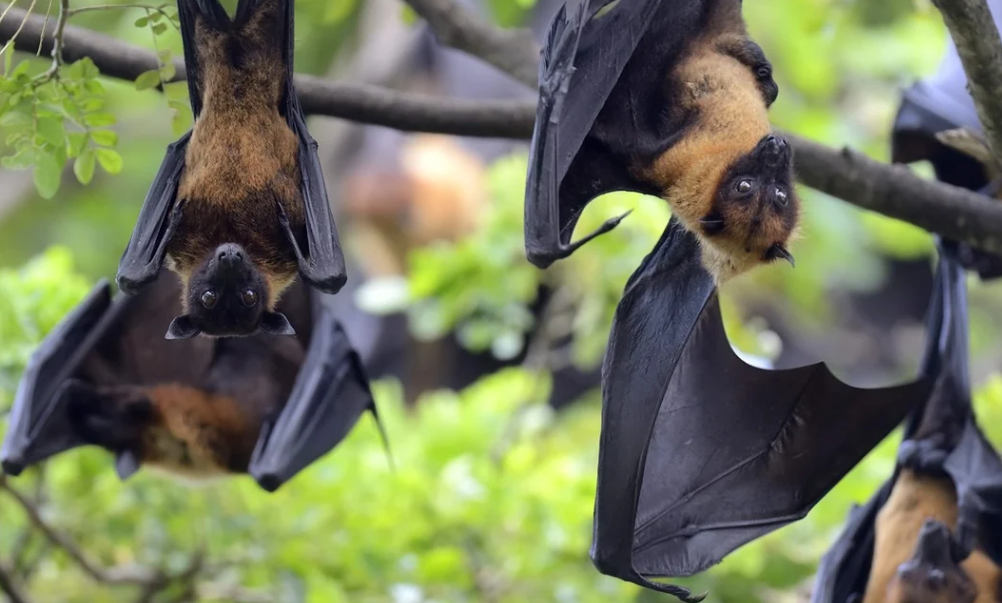
- Fruit bats of the Pteropodidae family are the natural host of Nipah virus. Nipah virus usually transmits from infected bats and other animals to humans and can also be transmitted directly between people.
- There is currently no treatment or vaccine available for Nipah virus, however several candidate products are under development. Early intensive supportive care can improve survival.
Overview
Nipah virus is a zoonotic virus, usually transmitted from animals to humans, but can also be transmitted through contaminated food or directly between people.
Nipah virus was first identified in 1998 during an outbreak among pig farmers in Malaysia. In 1999, an outbreak was reported in Singapore following the importation of sick pigs from Malaysia. No new outbreaks have been reported from Malaysia or Singapore since 1999. In 2001, Nipah virus infection outbreaks were detected in India and Bangladesh. In Bangladesh, outbreaks have been reported almost every year since. In India, outbreaks are periodically reported in several parts of the country, including the latest one in 2026.
In 2014, an outbreak was reported in the Philippines with no new cases since then.
Transmission
Fruit bats from the Pteropodidae family are considered the natural host of Nipah virus and are present in different parts of Asia and in Australia. African fruit bats of the genus Eidolon, family Pteropodidae, have been found to have antibodies against Nipah and Hendra viruses, indicating that these viruses might also be present within the geographic distribution of Pteropodidae bats in Africa.
Infection with Nipah virus does not appear to cause disease in fruit bats.
Transmission of the virus to humans can occur from direct contact with infected animals like bats, pigs or horses, and by consuming fruits or fruit products, such as raw date palm juice, contaminated by infected fruit bats. The virus can also cause severe disease in farming animals such as pigs.
Nipah virus can also spread between people. It has been reported in health-care settings and among family and caregivers of sick people through close contact. In health facilities, the risk of spread can increase in overcrowded, poorly ventilated hospital environments with inadequate implementation of infection prevention and control measures (such as the use of personal protective equipment, cleaning and disinfection, and hand hygiene).
Signs and symptoms
The incubation period – that is the time from infection to the onset of symptoms – ranges from 3 to 14 days. In some rare cases incubation of up to 45 days has been reported.
For some people, Nipah virus infection may be asymptomatic. However, most people develop a fever, and symptoms involving the brain (such as headache or confusion), and/or the lungs (such as difficulty breathing or cough). Other organs can also be affected. Frequent other symptoms include chills, fatigue, drowsiness, dizziness, vomiting and diarrhea.
Severe disease can occur in any patient but is particularly associated with people presenting with neurological symptoms, with progression to brain swelling (encephalitis) and, frequently, death. Careful supportive care and monitoring during this period is critical.
Most people who survive make a full recovery, but long-term neurologic conditions have been reported in approximately 1 in 5 people who recovered from the disease.
Diagnosis
It is difficult to distinguish Nipah from other infectious diseases, or other causes of encephalitis or pneumonia, without laboratory testing. The main diagnostic test is real time polymerase chain reaction (RT-PCR) of respiratory samples, blood or cerebrospinal fluid (a spinal tap). Blood antibody detection via enzyme-linked immunosorbent assay (ELISA) may also be used.
Samples collected from patients are a biohazard risk. Laboratory testing on non-inactivated samples should be conducted under maximum biological containment conditions.
Samples taken from people and animals with suspected Nipah virus infection should be handled by trained staff working in suitably equipped laboratories.
Treatment
While there are no specific treatments for Nipah, early diagnosis will promote early supportive care. For all severe viral infections, high-quality supportive medical care can prevent deaths, and includes:
- identifying any complications (brain swelling, pneumonia, other organ damage);
- personalizing treatment to account for patients’ other health conditions;
- treating with oxygen when required;
- applying specific organ support therapies as needed (such as ventilation, renal dialysis); and
- ensuring adequate rehydration and nutrition with frequent monitoring.
There are currently no approved drugs or vaccines for Nipah virus infection. WHO has identified Nipah virus infection as a priority disease for the WHO Research and Development Blueprint. A range of candidate products are under different stages of development.
Prevention
Reducing the risk of infection in people
Raising awareness of the risk factors for infection and on measures people can take to protect themselves and prevent transmission is critical. WHO recommends taking measures as noted below.
- Reducing the risk of bat-to-human transmission
Efforts to prevent transmission should first focus on decreasing bat access to date palm sap and other fresh food products. Keeping bats away from sap collection sites by using protective coverings may be helpful. Freshly collected date palm juice should be boiled, and fruits should be thoroughly washed and peeled before consumption. Fruits with any sign of bat bites should be discarded.
- Reducing the risk of animal-to-human transmission
Gloves and other protective clothing should be worn while handling sick animals such as pigs or horses, and during slaughtering and culling procedures. In areas where the virus is present, when establishing new pig farms, considerations should be given to the presence of fruit bats in the area and in general, pig feed and pig sheds should be protected against bats when feasible.
- Controlling Nipah virus in pigs
In past outbreaks of Nipah involving pig farms, several measures were implemented to reduce transmission including: routine and thorough cleaning and disinfection of farms; quarantining animal premises in the case of suspected cases; culling of infected animals, with close supervision of burial or incineration of carcasses; and restricting or banning the movement of animals from infected farms to other areas. For more information, see the World Organization for Animal Health (WOAH) webpage on Nipah virus infection.
- Reducing the risk of human-to-human transmission
People experiencing Nipah-like symptoms should be referred to a health facility, as early supportive care is key in the absence of licensed treatment. Close unprotected physical contact with sick people should be avoided. Regular hand washing should be carried out after caring for or visiting sick people along other preventive measures.
Controlling infection in health-care settings
WHO advises health-care workers to implement standard precautions for infection prevention and control at all times, for all patients:
- suspected or confirmed cases of Nipah virus infection should be placed in a single-patient room;
- when caring for patients, WHO advises the use of contact and droplet precautions including a well-fitting medical mask, eye protection, a fluid-resistant gown, and examination gloves;
- airborne precautions should be implemented during aerosol-generating procedures, including placing the patient in an airborne-infection isolation room and using a fit-tested filtering facepiece respirator instead of a medical mask; and
- for family members and caregivers visiting patients with suspected or confirmed Nipah virus, similar precautions should be applied.
WHO continues to monitor any upcoming new evidence to ensure recommendations remain up-to-date.
WHO response
WHO works closely with at-risk countries and partners to strengthen preparedness for and response to outbreaks of Nipah virus infection by providing technical guidance and supporting surveillance activities, clinical management, laboratory services, infection prevention and control measures, logistics, training and community engagement.
Generation of further knowledge, including for diagnostics and therapeutics, and exchange of expertise across countries and partners, including through research activities, is critical to contribute to the management of Nipah virus infection, and to reduce mortality and mitigate human-to-human transmission in health-care facilities.
Vaccine Leader GeoVax (GOVX) Reports 2025 Year-End Financial Results and Provides Business Update
“During 2025, we made significant progress advancing GEO-MVA toward late-stage clinical development, supported by regulatory alignment with the European Medicines Agency (EMA) and key manufacturing milestones,” stated David Dodd, Chairman and Chief Executive Officer of GeoVax. “We believe GEO-MVA represents a critically important opportunity to eliminate the current global supply constraint in orthopoxvirus vaccines, while supporting broader public health preparedness and biosecurity objectives. As such, we look forward to initiating the planned Phase 3 immuno-bridging study in the second half of this year, which represents the next key step in advancing GEO-MVA to regulatory approval and access, providing a critically needed supply source of MVA-vaccine.”
Are we Getting Closer to the World’s First Nipah Vaccine?
Phase 2 trials are set to kick off for a revolutionary Nipah vaccine candidate, with an “investigational reserve” of doses to be kept at the ready for future epidemics.
We may soon be a big step closer to having a vaccine against Nipah, an extremely deadly bat-borne virus for which there is currently no jab and no cure.
A three-way partnership between the Coalition for Epidemic Preparedness Innovations (CEPI), the University of Oxford and the Serum Institute of India (SII) is soon embarking on the world’s first phase 2 trial of a Nipah vaccine – in this case, the Oxford vaccine candidate, ChAdOx1 NipahB.
The partnership will also produce “an investigational reserve of up to 100,000 doses” of the same vaccine, which could be deployed under emergency use in a future outbreak.
Programming a biological Nipah cheat-code
“Preclinical research and preliminary safety evidence from a phase 1 trial of the vaccine candidate that is currently wrapping up in the UK has been positive,” Richard Jarman, Nipah programme leader at CEPI, told VaccinesWork.
The completion of a phase 2 trial will put us one step closer to providing protection to those living in outbreak hotspots by assessing whether this vaccine candidate holds promise.
– Richard Jarman, Nipah programme leader at CEPI
His organisation will now provide up to US$ 7.3 million to support SII in process development and manufacture of the experimental vaccine – a vital, though costly, step on the lengthy, and thorough, experimental road.
Meet the candidate
ChAdOx1 Nipah is a viral vector vaccine. That’s a class of vaccines that doesn’t actually contain antigens – that is, the molecules or structures that trigger an immune response in the body – but rather, uses a harmless virus as a vehicle to transport instructions for making antigens into cells. Our own cells then manufacture the antigen based on the code the vaccine virus delivers. The body’s immune cells recognise the antigen as an invader, and mount an immune response – teaching the body how to catch and kill the pathogen that carries that same antigen in future.
ChAdOx1 – minus “Nipah” – is a non-replicating adenovirus platform used to transfer genetic instructions. You may recognise the name – it was used to make the University of Oxford/AstraZeneca COVID-19 vaccine.
Now the same platform has been reworked to carry the cheat-codes to defeat Nipah.
“The vector vaccine from Oxford University is more likely to be safe because it uses the ChAdOx1 platform, whose safety was tested not only in the lab but also in pragmatic community settings during the COVID-19 pandemic,” says Anish TS, professor at the Department of Community Medicine at the Government Medical College, Wayanad. Anish is also the Nodal Officer, Kerala One Health Centre for Nipah Research and Resilience, Kozhikode, and helped limit previous outbreaks of Nipah in Kerala state in southern India.
But will it really work? That’s what the trials are here to determine. So far, so good – but it’s early days yet.
The phase 2 trial will further assess the safety of the vaccine candidate, as well as its ability to trigger an immune response. Researchers will be testing both single and two-dose vaccination schedules in a larger pool of volunteers than the earlier phase 1 trial, Jarman says.
“Importantly, the trial participants will be based in a Nipah-affected region and, therefore, may have similar health statuses to the populations most likely to be receiving a Nipah vaccine if licensed in the future,” he says. “This tells us what might be expected when the vaccine is rolled out more widely.”
Deadly virus
The Nipah virus kills up to 75% of people it infects. First discovered in Malaysia in 1999, the majority of Nipah outbreaks have since occurred in India and Bangladesh. Bangladesh has seen outbreaks almost annually since 2001.
“The research on Nipah vaccines is very important because of the virus’s significant pandemic potential,” says Anish. For now, Nipah is still an animal virus, and human-to-human spread is rare, other than through hospital-based superspreading events and infection of close contacts, he explains.
“If an effective vaccine is ready by the time the virus accumulates favourable mutations for spreading easily among humans and is capable of creating big outbreaks, the vaccine could be used as an important strategy to stop the spread and save lives,” says Anish. “I think the chances of large Nipah outbreaks are high in the future because, even now, Nipah spillovers may be happening rampantly in Bangladesh, India, and their neighbouring countries, and the identified cases may be just the tip of an iceberg.”
“The completion of a phase 2 trial will put us one step closer to providing protection to those living in outbreak hotspots by assessing whether this vaccine candidate holds promise,” says Jarman.
Rising risk
“This is especially important as climate change alters habitats and could bring the Pteropus fruit bats that carry and spread the virus into contact with more people,” he says. Known Nipah hotspots currently cover just a small part of the range of the Pteropus fruit bat. These creatures are already found across regions of Africa, South Asia and Oceania, which suggests that more than two billion people could be living in areas at risk of Nipah.
If a virus emerged that was as deadly as Nipah and as contagious as the related measles, this could be very worrying indeed – and it is exactly why this kind of research is so crucial.
– Richard Jarman, Nipah programme leader at CEPI
Nipah vaccine research could also provide scientists with important clues for making vaccines against other viruses related to Nipah, adds Jarman. Nipah belongs to the paramyxovirus family, a group of 75 viruses that includes threats like the zoonotic Hendra virus, as well as measles and mumps. “Vaccine investigations into Nipah could add to our understanding of these viruses while also helping to prep us for a new paramyxovirus that we don’t yet know about,” says Jarman.
“If a virus emerged that was as deadly as Nipah and as contagious as the related measles, this could be very worrying indeed – and it is exactly why this kind of research is so crucial,” says Jarman.
Most of the countries in Southeast Asia have weak health systems, and spillovers could be missed easily, says Anish. Kerala in India may be picking up cases because of its strong surveillance system, and many other states may be missing it. “Each undetected spillover and outbreak is an opportunity for the Nipah virus to get exposed to human immune mechanisms and assimilate mutations to tide over the immunity,” he warns. Detecting the spillover early and limiting the outbreak by containing it limits such accumulation of mutations, and that is the importance of Nipah surveillance.
“So, there is a high possibility that we will face a future situation of outbreaks with a mutated Nipah virus developed through unchecked transmission of the virus from countries or communities that fail to recognise spillovers and small outbreaks,” says Anish. “The vaccine may be the only strategy by which we can manage that kind of a situation.”
Have you read?
Hurdles to clear
The path to a Nipah vaccine still has some challenges to face down.
The difficulty with Nipah is that outbreaks tend to be very small and sporadic, making it hard to run large-scale randomised controlled efficacy trials, explains Jarman. These are the types of studies that take place after phase 3 trials.
Nipah is still a rare disease with uncertain occurrence, and therefore, conducting a preventive field trial aimed at proving the protective efficacy of the vaccine “is almost impossible because we can’t expect a case even in the unvaccinated arm due to the rarity of its occurrence,” says Anish.
“It could be attempted at high-risk zones, during outbreaks and all, but the statistical power will still be questionable,” says Anish.
“We’re, therefore, looking at other ways to collect this all-important data,” says Jarman. One option is to gather efficacy data using preclinical models (animal studies to test safety and immune response before testing in humans) to estimate a threshold of protection, which could then be used as an endpoint for trials looking at safety and immune response.
… there is a high possibility that we will face a future situation of outbreaks with a mutated Nipah virus developed through unchecked transmission of the virus from countries or communities that fail to recognise spillovers and small outbreaks. The vaccine may be the only strategy by which we can manage that kind of a situation.
– TS Anish, professor of community medicine and Nodal Officer for Nipah at the Kerala One Health Centre for Nipah Research and Resilience
Another concern is the cost of the vaccine. As high-risk groups other than the general public may be more interested in being vaccinated, the cost of the vaccine could be high, Anish says.
These include healthcare providers, friends and family members of the infected people, and people residing in areas with a history of past or present spillovers. Mass immunisation could be planned among people living near Pteropus bats.
Including Nipah vaccination for high-risk groups in the national vaccination programmes or universal health coverage packages in vulnerable countries would be optimal, he says.
More data collection and analysis – that is, beyond safety, immunogenicity and efficacy of the vaccine candidate – is called for, Anish says. “Building surveillance systems in high-risk communities, extensive bat studies to demonstrate the presence of the virus widely in the environment, and costing studies to estimate the economic burden of the infections should go along with the vaccine studies to set the stage,” he adds.
#GOVX