Table of Contents
- The Rising Appeal Of Online Casino Tournaments
- Ambition And Competition In Casino Culture
- How Platforms Shape Player Motivation
- Registration, Structure, And The Pulse Of The Game
- Bonuses, Rewards, And Tactics
- Slots, Leaderboards, And Late-Night Rivalries
- Payments And Emotional Investment
- Player Perspective: The Highs And Lows
- Comparing Tournament Elements
- Practical Tips For New Participants
- FAQ
The Rising Appeal Of Online Casino Tournaments
It is strange how the competitive element in gambling has evolved. For many, online casino tournaments represent more than just a game, they embody an entire mindset. Those moments when you are counting down the timer, aware that one spin or one hand could take you up the leaderboard. That sense of adrenaline has now become almost cultural. Platforms such as Ninecasino have refined this experience and made it accessible, structured, and downright electrifying. In truth, playing alone at home can feel incredibly social once tournaments enter the picture.
People once thought of casinos merely as rooms of luck. But now, the competition has layers. Players adjust strategies, watch opponents, plan for long rounds, and fight for those limited top positions. Sometimes it is not even about the prize money, it is about pride, proving skill, or simply finishing higher than the username that irritated you last week. This is the new digital colosseum of chance and ambition, streaming live twenty-four hours a day on glowing screens.
Ambition And Competition In Casino Culture
Gambling in its solitary form tends to be about self-discipline and balance, but when you add rivals and ranks, something sparks. Ambition grows quietly yet persistently. You could say competition sharpens even the most casual player. That person who once clicked “spin” for fun starts analyzing symbol probabilities at midnight.
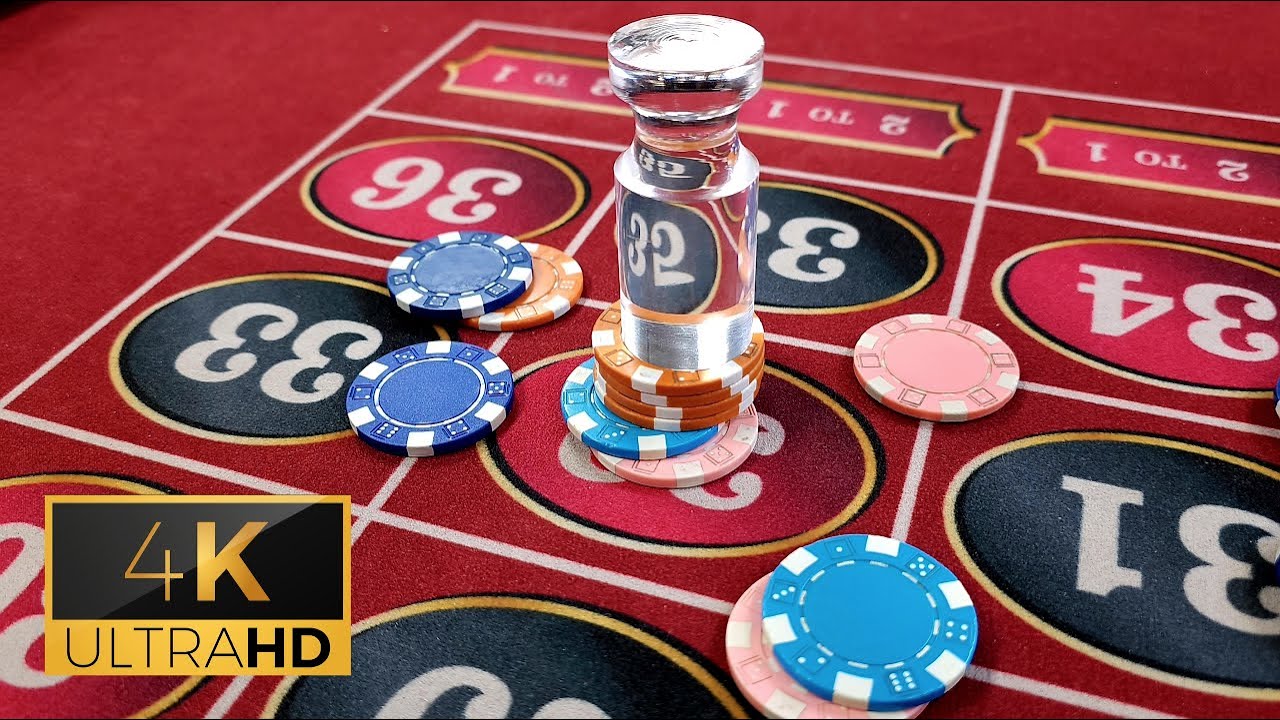
It might be the thrill of outperforming others or perhaps the satisfaction of mastering a game thought to be purely luck-based. But casino tournaments show that skill matters. In games like online blackjack or poker, timing and decision-making influence results. Even in slot tournaments, you must manage your time and spins efficiently. Oddly, ambition feels different when the environment is digital yet the adrenaline utterly real.
How Platforms Shape Player Motivation
Casinos are no longer just glittering halls. Modern gambling platforms designed sleek and immersive tournament experiences that encourage competition while maintaining fairness. The interface, timer, live updates, and side chats all contribute to that sensation of a shared event. Some software even shows mini-progress bars of nearest opponents, fueling motivation further. The technology itself seems aware of the psychology it triggers.
Registration, Structure, And The Pulse Of The Game
Most casino tournaments require a simple registration. The rules vary, but often you’ll have a fixed bankroll or a time-limited session. The moment the timer starts, everything narrows into focused urgency. The heart rate quickens, every move calculated, sometimes impulsively so. Slots tournaments, in particular, use that balance between fast play and risk management. Every second counts.
| Tournament Type | Duration | Skill/Luck Ratio |
|---|---|---|
| Slot Sprint | 15-30 minutes | 10% skill / 90% luck |
| Poker Marathon | Up to several hours | 70% skill / 30% luck |
| Blackjack Challenge | 40-60 minutes | 60% skill / 40% luck |
Once your name flashes on the leaderboard, adrenaline mixes with strategy. You start anticipating others’ next moves. It surprises many newcomers how fast the dynamic changes when the timer enters its last few minutes. What could have been a calm game of spins turns into a heartbeat-driven rush of decision-making.
Bonuses, Rewards, And Tactics
Bonuses are like the silent motivator behind every tournament entry. Deposit bonuses, free spin offers, or reward points can keep a player circulating within the same platform. Some strategists even map their entries relative to bonus cycles. If a site doubles deposit values for tournaments on weekends, players build entire routines around those hours. Casinos know it, and so the ecosystem fuels itself continuously.
A small technical note arises here: many bonuses come with wagering requirements, which subtly affect strategy. It’s easy to forget these details when your screen lights up from a near-miss spin, but they matter. Ultimately, the best players manage both time and resources with restrained ambition. You can feel the balance—the hope to climb higher versus the need not to lose grip of discipline.
Slots, Leaderboards, And Late-Night Rivalries

Slots attract an enormous share of attention in tournaments partly because of accessibility. You don’t need to understand complicated strategies. Yet, there is rhythm in spins. Those who learn when to maximize bet sizes or time their sequences stand apart. And when hundreds of users play at once, each spin can feel like a race lap. You glance up, see your position shift from tenth to fifth, then back again. It becomes emotional theatre between you and the invisible crowd.
In live tournaments with streamed leaderboards, the competition feels almost tangible. You see avatars jump ahead. Profiles flash across the rankings, disappearing again seconds later. Time zones blur—players from four continents compete simultaneously. The social dimension, somehow present through statistics and nicknames, adds to that fierce rivalry. And when the final slot stops spinning, a silence follows, sort of like finishing a marathon alone at night.
Payments And Emotional Investment
Where competition intensifies, money becomes more symbolic than literal. Payments methods nowadays have become convenient—cards, e-wallets, crypto—all instantaneous, removing hesitation. But because of that, the emotional intensity grows faster than in traditional casinos. Instant deposit means instant decision. Winnings or losses reflect almost immediately. Players often equate success with identity for that brief period.
Stories circulate often. Someone entered a small-entry tournament, climbed from two hundredth place to the top ten, withdrew just in time—and described the moment as euphoric. Others mention staying awake at 3 a.m., refusing to stop even with small balance left, because the gap to sixth place felt bridgeable. The emotional commitment surpasses rational control, though in a thrilling way.
Player Perspective: The Highs And Lows
If one samples enough forums or comment threads, a pretty diverse range emerges. A few people highlight discipline: they play specific schedules and treat the experience similar to timed workouts. Others confess addiction creeping in quietly. Yet, most agree tournaments keep the excitement alive. The sense of progression and temporary fame drives repeat visits more effectively than random spins alone.
Some even develop personal rituals—music playlists, coffee routines, lucky charms on the side of the keyboard. These behaviors indicate that players treat the tournaments as mini-events, giving structure and identity to leisure time. The feeling of being part of something, of sharing that intense countdown with thousands globally, amplifies engagement.
Comparing Tournament Elements
Different design aspects influence how participants experience ambition and rivalry. The variations can be quite subtle yet significant in outcome satisfaction. For instance, leaderboard update frequency might determine whether players experience motivation or anxiety overload. Interface color choices affect focus. The table below summarizes a few design considerations and their likely effects based on observation and user feedback.
| Feature Aspect | Player Reaction Trend | Observed Impact |
|---|---|---|
| Frequent Leaderboard Refreshes | Heightened awareness, short bursts of stress | Boosts engagement but can tire concentration |
| Chat/Interaction Options | Social encouragement, mild distraction | Adds human element, affects rhythm positively |
| Entry Fee Level | Moderate risk perception | Determines seriousness of competition |
Even subtle differences like sound effects or leaderboard animation style affect player emotion. It is astonishing how digital design now plays the same role as architecture once did in physical casinos—directing pace, excitement, and attention flow.
Practical Tips For New Participants
Joining a casino tournament for the first time might feel chaotic, but after a few sessions you learn rhythm. Success partially depends on preparation. A short structured approach can help maintain composure and fund security during fast play. Based on observing frequent participants, here’s a numbered list of practices often suggested:
- Decide on a fixed bankroll before registration and never exceed it during the tournament.
- Observe timing patterns of others in early rounds to adjust your own rhythm midway.
- Pause briefly between spins or hands to mentally reset, especially when ranking fluctuates rapidly.
- Review terms for prizes and bonus applicability before you join—details matter under tournament time pressure.
- Prioritize enjoyment over prestige, this attitude keeps ambition healthy and sustainable.
These pointers might sound simple, but habits shape results more than luck sometimes. Especially in longer tournaments, endurance and mental pace often decide who’s still focused when everyone else grows tired.
FAQ
Q: Are casino tournaments purely luck-based?
A: Not exactly. Slots rely heavily on chance, but poker, blackjack, and certain hybrid games reward strategy, timing, and self-control. The competitive environment emphasizes planning even under uncertainty.
Q: Do I need large deposits to join?
A: Many platforms offer freerolls or low-entry tournaments. They serve as great practice for new participants. The emotional challenge remains quite real even in smaller contests.
Q: How are payments typically managed?
A: Most modern online casinos support multiple secure methods including bank cards and e-wallet systems. Payout speeds differ depending on verification and banking partners, but same-day withdrawals are common now.
Q: What draws players back repeatedly?
A: It is the blend of adrenaline, visible progress, and rivalry. Humans enjoy measuring performance against others; tournaments replicate that with digital precision and community energy.
Q: Are there responsible play tools?
A: Certainly. Most platforms, including large ones, let users set limits or take breaks. The key is remembering that excitement and control can coexist when boundaries are acknowledged early.